

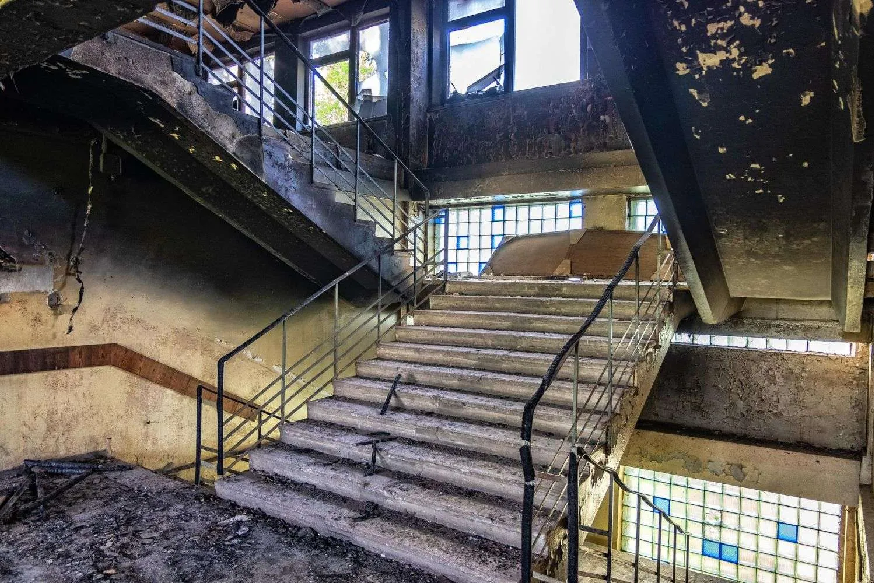
In Boise, several localized pressures have exposed gaps in how residents traditionally manage fire risk. A combination of prolonged droughts, increased fire risk factors, and housing density has significantly outpaced traditional fire management. Also, tightening insurance policies are becoming a headache. As such, an isolated approach to fire safety no longer cuts it. Fire management in homes requires a holistic, multi-layered strategy that mitigates fire tragedies; from early prevention to dealing with worst-case scenarios, where escape strategies set in, and restoration follows.
1. Identifying Electrical Fire Hazards: Eliminating Risks Before They Escalate
The major cause of home electrical fires is slow, silent electrical faults that generate heat. A loose connection hidden behind a wall. An aging breaker panel working harder than it should. A circuit carrying today’s electrical load through yesterday’s infrastructure.
That risks surprise fires before anyone notices smoke or smells something burning. Hidden exposed cables can develop gradually as homes age, appliances multiply, and electrical demand increases beyond what older systems were designed to handle.
Rather than reacting after problems become visible, engaging experienced electrical professionals for annual assessment is crucial in uncovering conditions that quietly increase the likelihood of ignition.
Areas commonly at risk of these failures and that need frequent checks include:
- Overloaded outlets and power strips
- Damaged or aging wiring
- Loose electrical terminations
- Outdated switchboards carrying modern electrical loads
- Faulty appliances, sockets, and switches
Every home has its own power consumption patterns, making professional assessment far more valuable than relying on visual inspections alone. And if the unfortunate happens, you suffer a fire or smoke damage, experts in fire damage restoration in Boise are foundational in helping you renew your home without getting your way into post-fire hazards like residual fires.
2. House Fire Prevention: Creating Safer Living Environments Every Day
Fire prevention in homes is a proactive and defensive strategy. It involves understanding fire exposure factors and using professional and habitual strategies to eliminate or minimize those risk factors. That may include removing flammable dryer lint and replacing frayed cords, rather than waiting for these exposures to cause damage.
On the other hand, structural alignments fall primarily under passive fire protection—design choices that work automatically without human intervention. Also, homes in areas of the Boise foothills with high wildlife fire exposure must follow FireWise principles. Regular and daily habit adjustments often provide significant protection without disrupting everyday life.
Examples include:
- Remaining nearby whenever cooking is underway
- Keeping fireplaces clear of curtains and other combustible materials
- Using candles only when someone is present
- Storing flammable liquids away from heat sources
Pairing human-based preventative habits with structural, Passive Fire Protection solutions forms a cohesive Fire Strategy.
3. Smoke Detection: Providing Early Warning When Every Second Counts
Even the most carefully maintained property cannot eliminate every possible source of fire danger. And when that time comes, the best solution is having a digital eye and an alarm. That’s the role of a working smoke detector. However, the system you install must be sensitive enough to align with the tenability window; the limited period during which a building remains safe enough for occupants to escape.
Their effectiveness depends on more than simply mounting an alarm on the ceiling.
Best practices include:
- Installing detectors on every level of the home
- Positioning units inside and outside bedrooms
- Testing alarms on a regular schedule
- Replacing batteries and aging devices as recommended
- Ensuring proper placement to maximize coverage
These comprehensive home fire early warning systems are a viable fire safety net. However, since the physical sensors like light scattering or ionization chambers can detect airborne particles, anything that mimics smoke or disrupts the sensor can trigger a fire alarm.
4. Escape Planning and Fire Suppression: Turning Preparedness into Action
An alarm warning opens a window for a strategic escape strategy, which must be organized and predetermined.
Every household should establish:
- Two escape routes from every room where practical
- A designated outdoor meeting point
- Regular evacuation practice with everyone in the household
- Easily accessible fire extinguishers
- Fire blankets positioned near kitchens and other higher-risk areas
Having a practiced fire exit protocol helps reduce panic and risk of falling into avoidable pitfalls.
In essence, while most homeowners may feel like fire accidents are far away, they are a daily reality in our neighborhoods. Hence, prioritizing proactive preventative and protection strategies is a practice that guards your investment with intention and gives you peace of mind. However, in case of a fire breakout, the priority changes to the evacuation of humans. That’s when detection technologies play a crucial informer role.
Further, if you’re affected by home fires, recovery needs expertise. Smoke and fire damage experts come in handy to help you with cleanup and restoration with dignity while ensuring maximum safety.